06 / GAMES / 2026
MILIASTRA ARCANUM
Vertical parkour experience created and published in Miliastra Arcanum, combining level design, HUD, and visual logic with Node Graph.
A VERTICAL PARKOUR EXPERIENCE
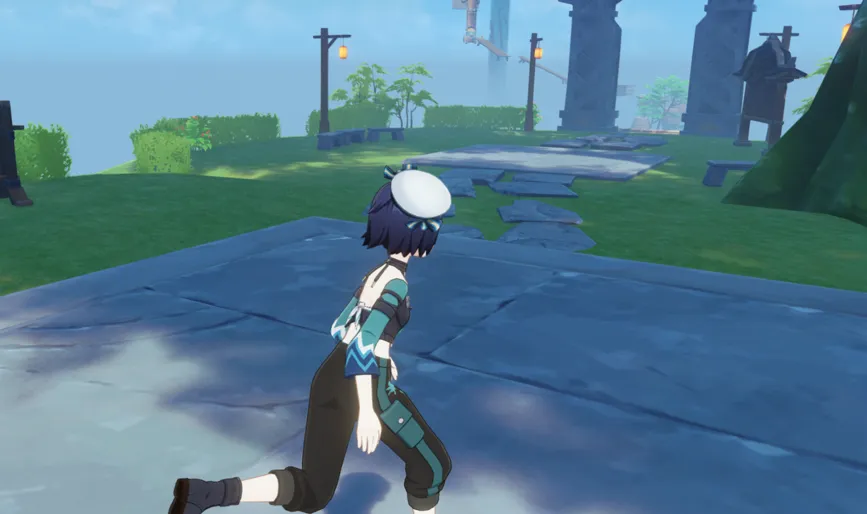
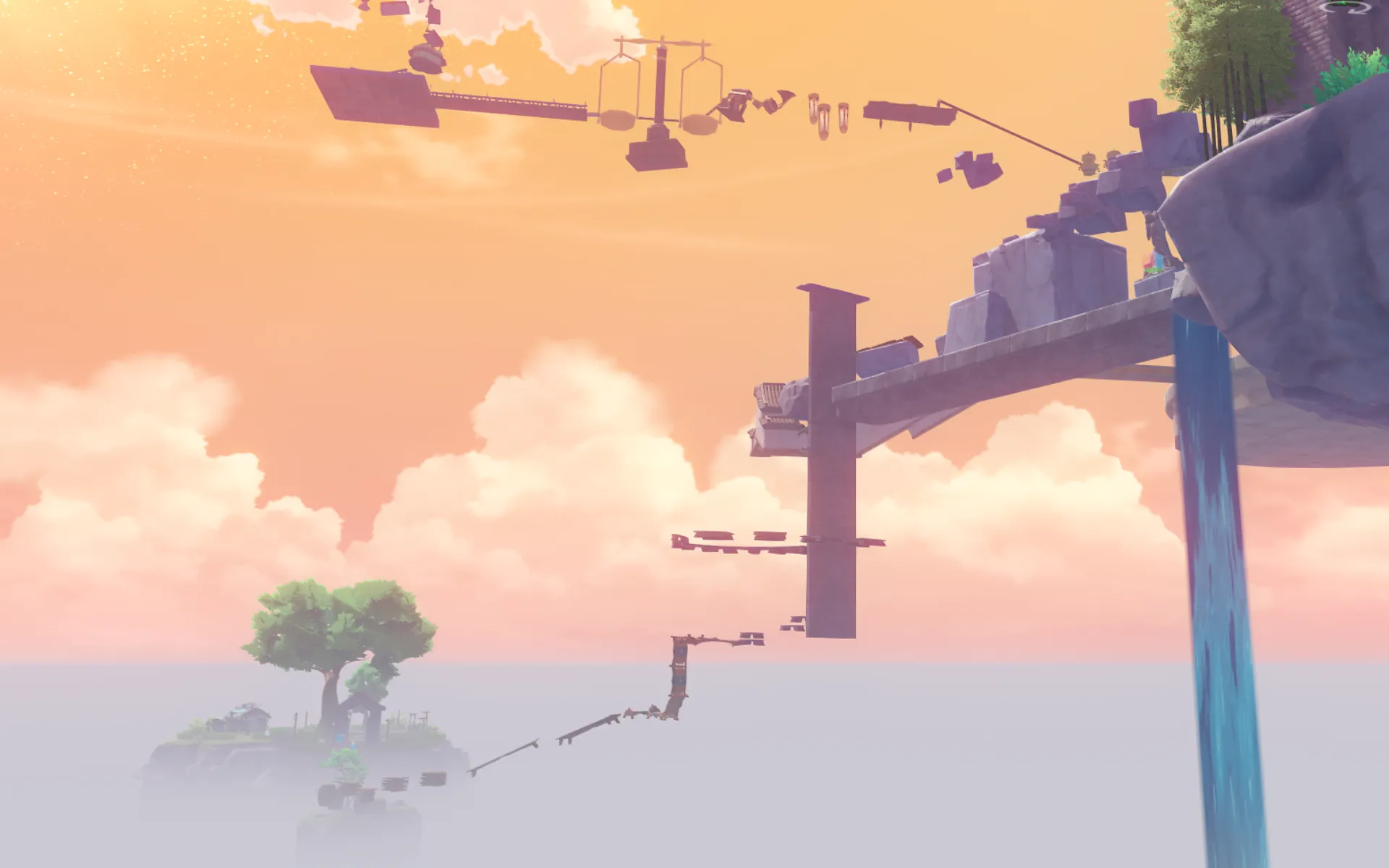
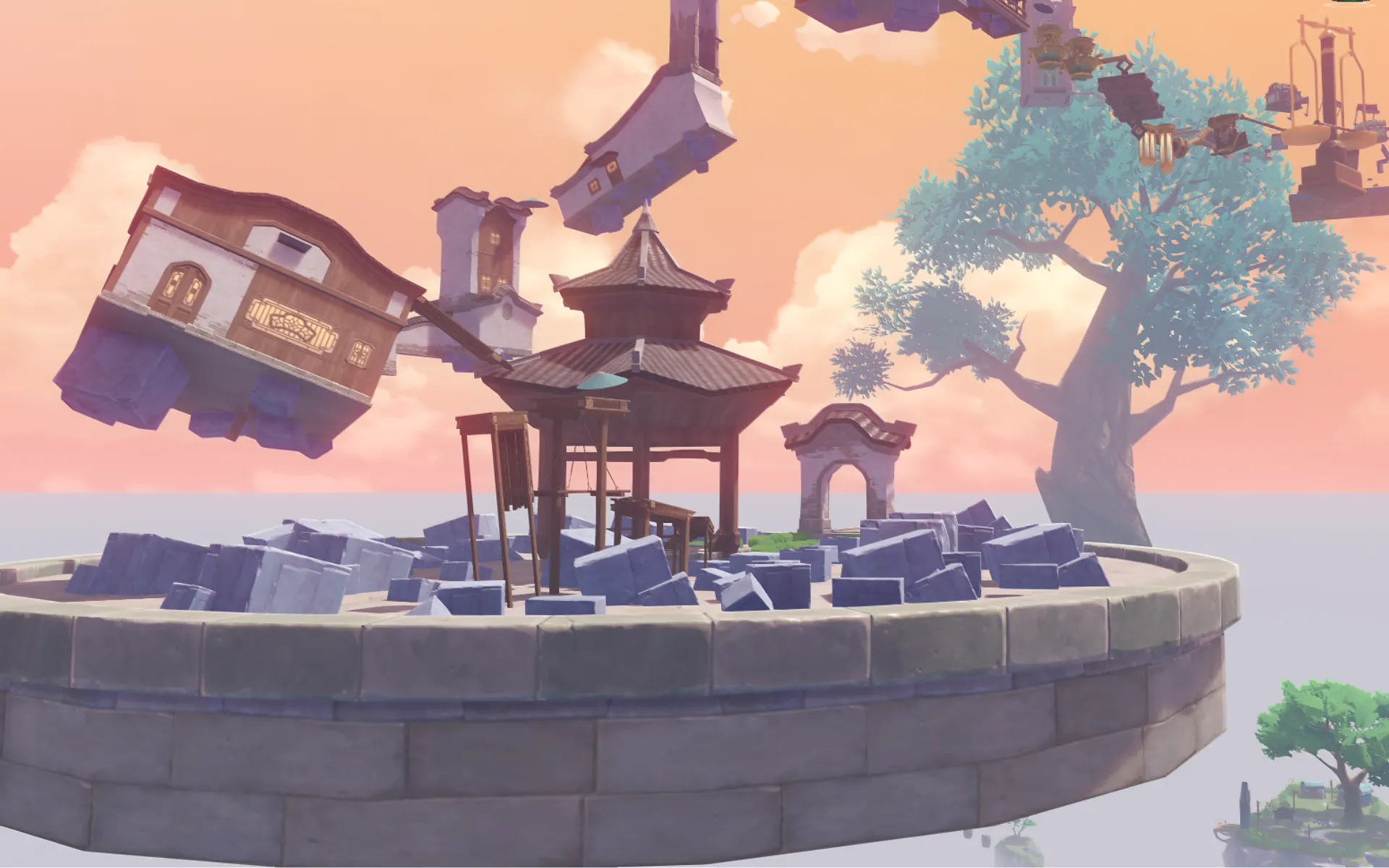
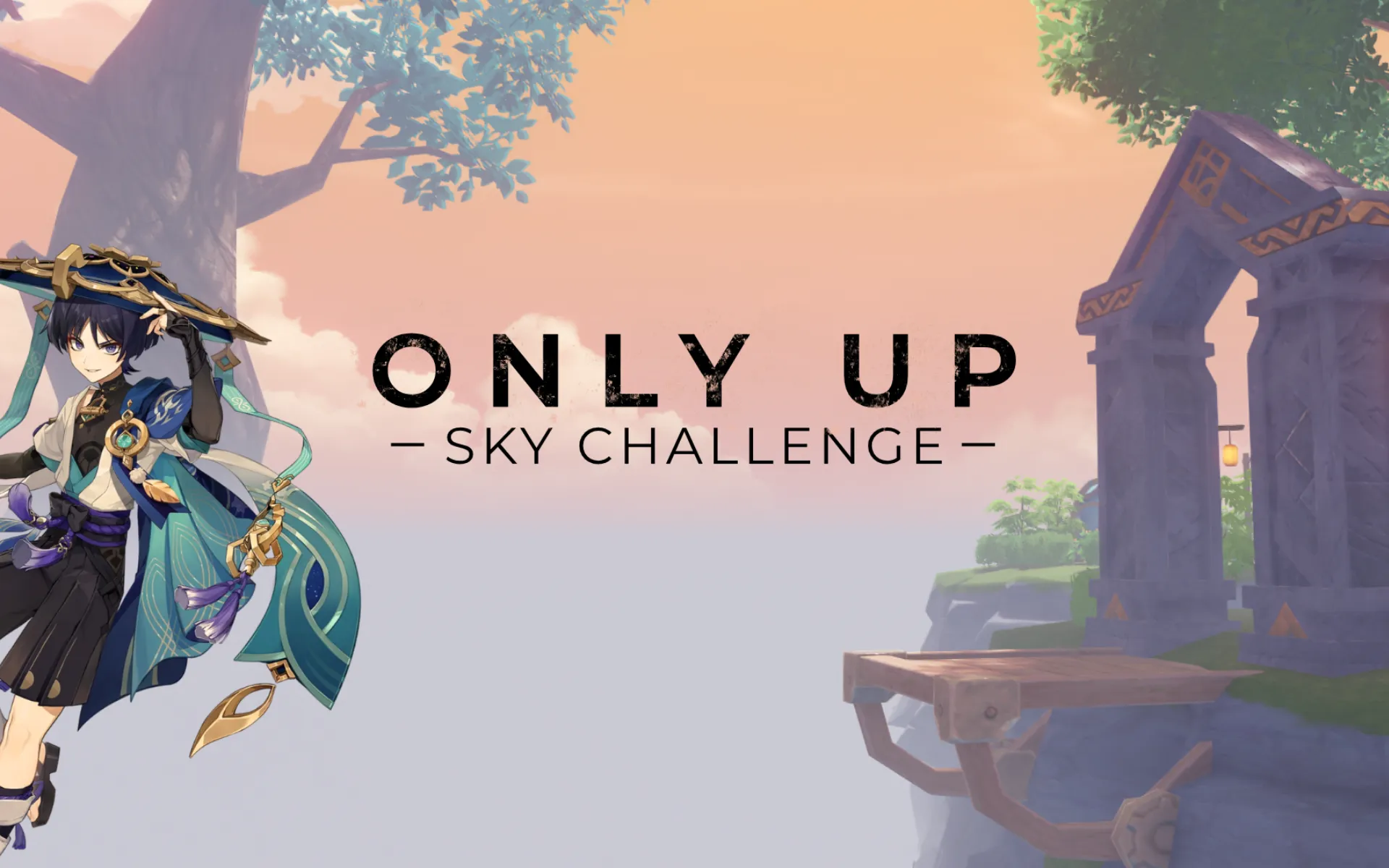
Only Up! | Parkour is an experience published in Miliastra Arcanum where the player progresses through a sequence of floating islands, crossing different environments until reaching the highest point of the course.
CLIMB WITHOUT ROOM FOR ERROR
The course was built around a simple rule: keep climbing higher without falling. Each island acts as a new visual stage of the ascent, while a fall sends the player back to the beginning of the attempt.
The absence of checkpoints is part of the experience's design, keeping the risk of losing progress after a fall constantly present.
A COURSE BUILT AROUND HEIGHT
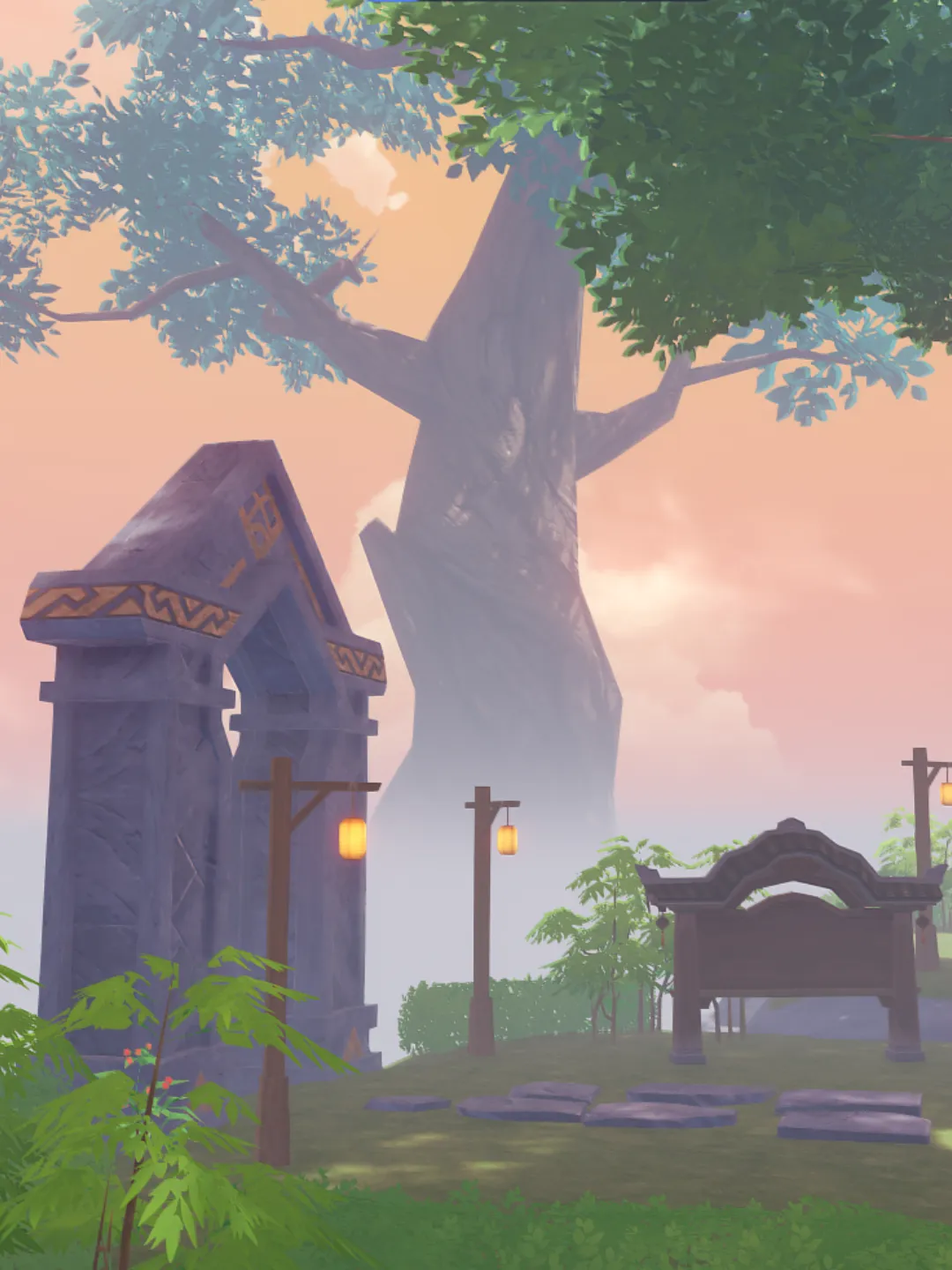
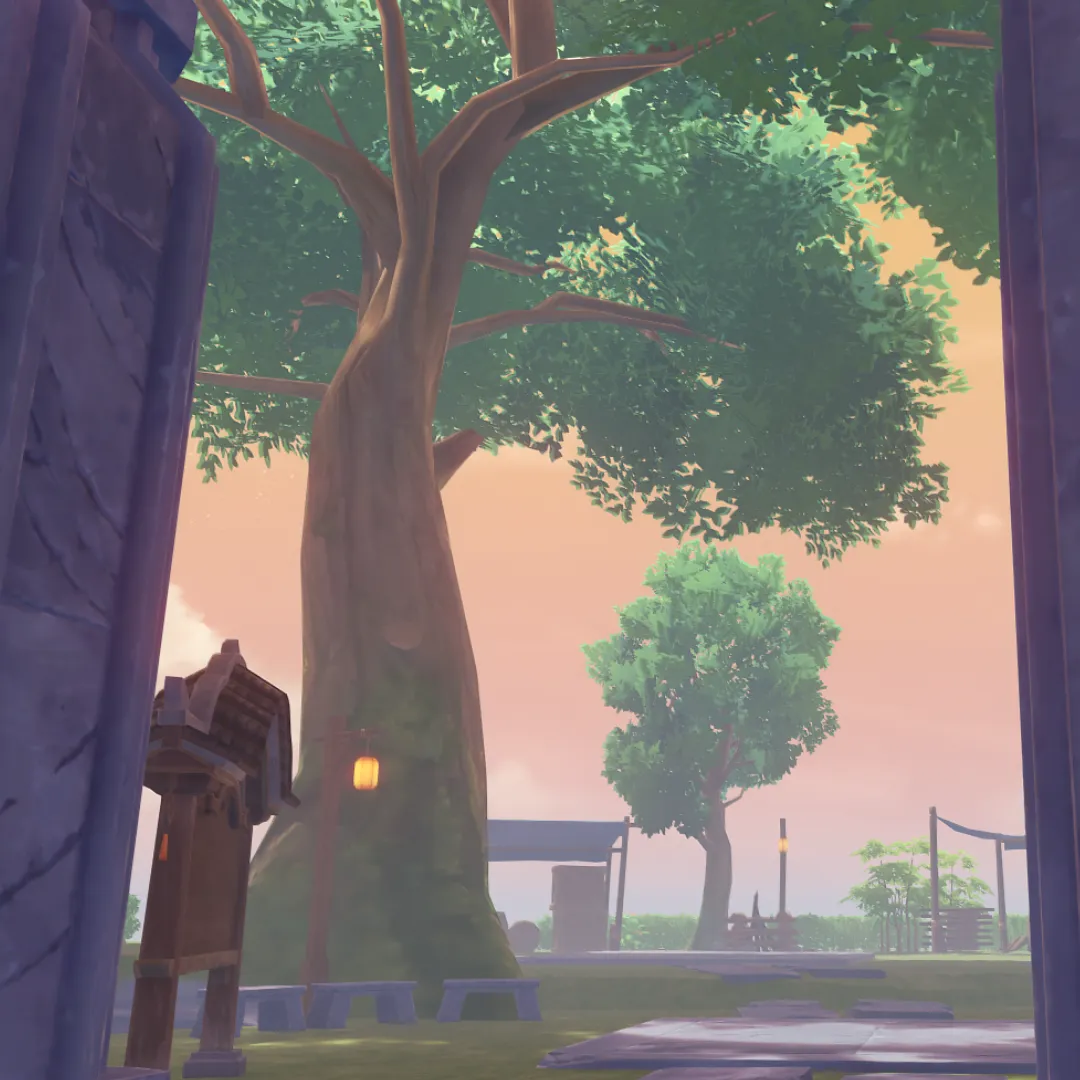
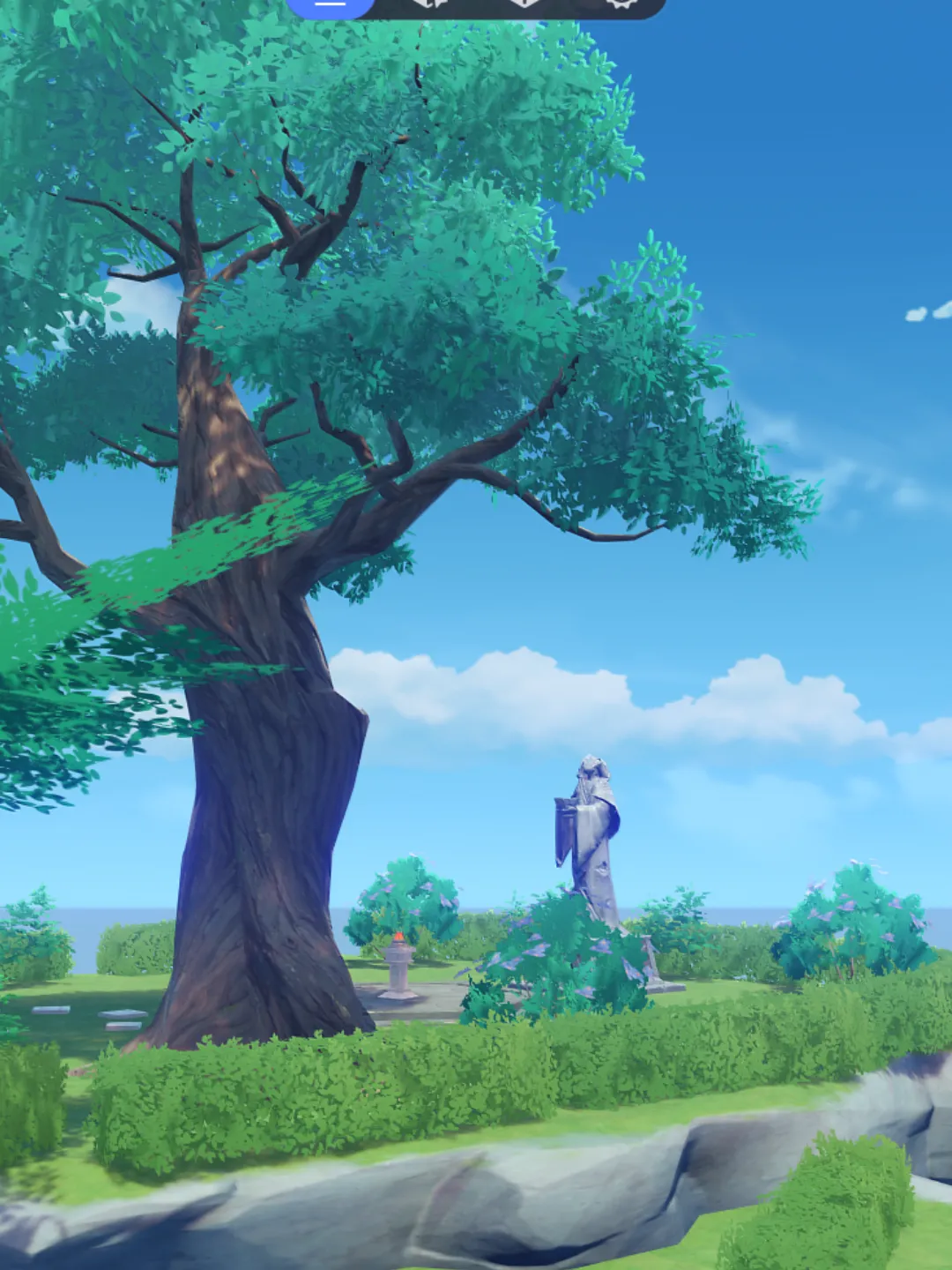
The map was structured as an ascending sequence of islands with different environments and compositions. Visual progression helps mark the player's advancement, while obstacles, jumps, and distances define the rhythm of the climb.
Vertical progression acts as a central element of challenge and tension throughout the course.
Each island has its own visual identity, creating clear milestones throughout the climb.
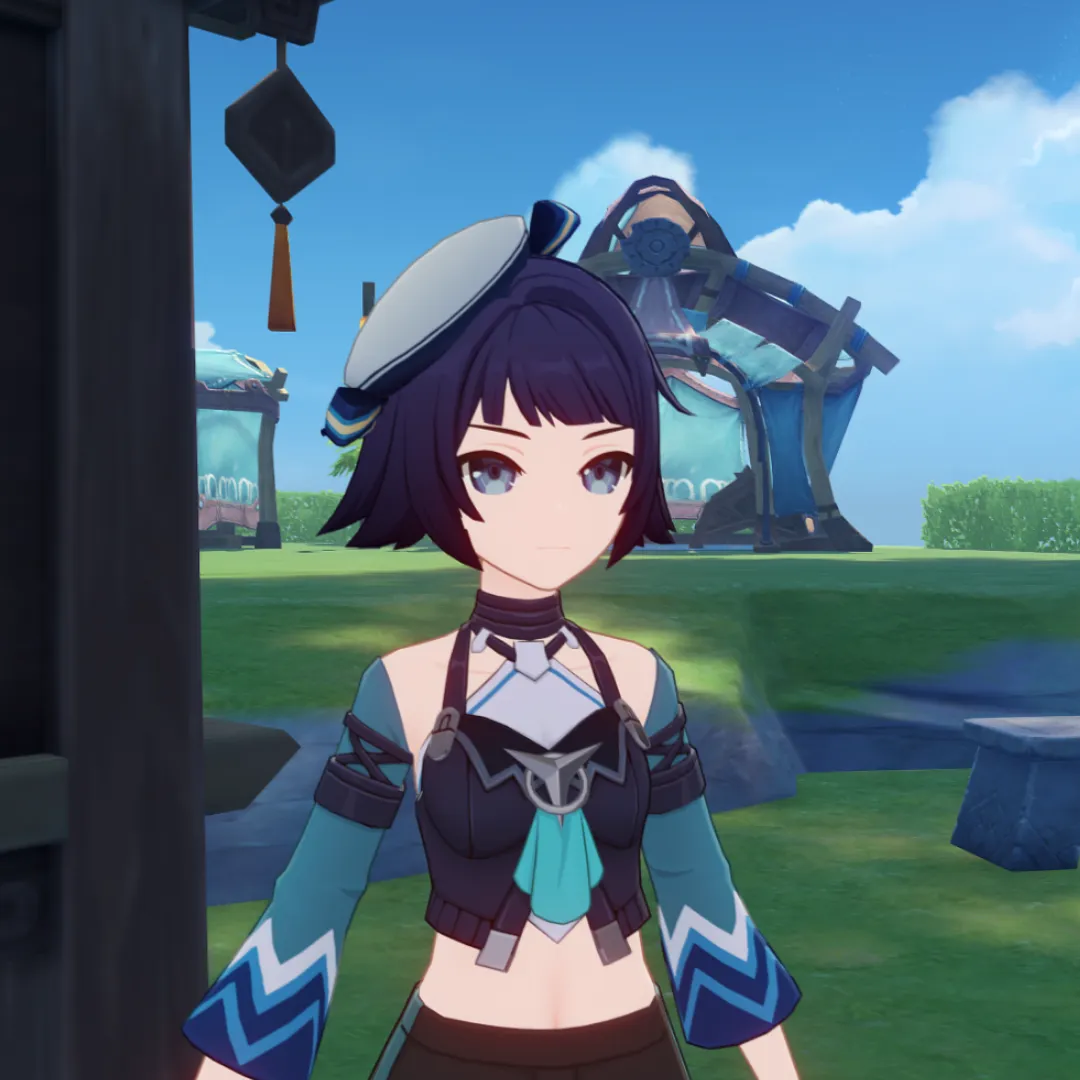
At the time of development, the course was built using the assets available within the editor itself, combining and arranging them to create different environments and stages of the ascent.
NODE GRAPHCONTROLLINGTHE EXPERIENCE
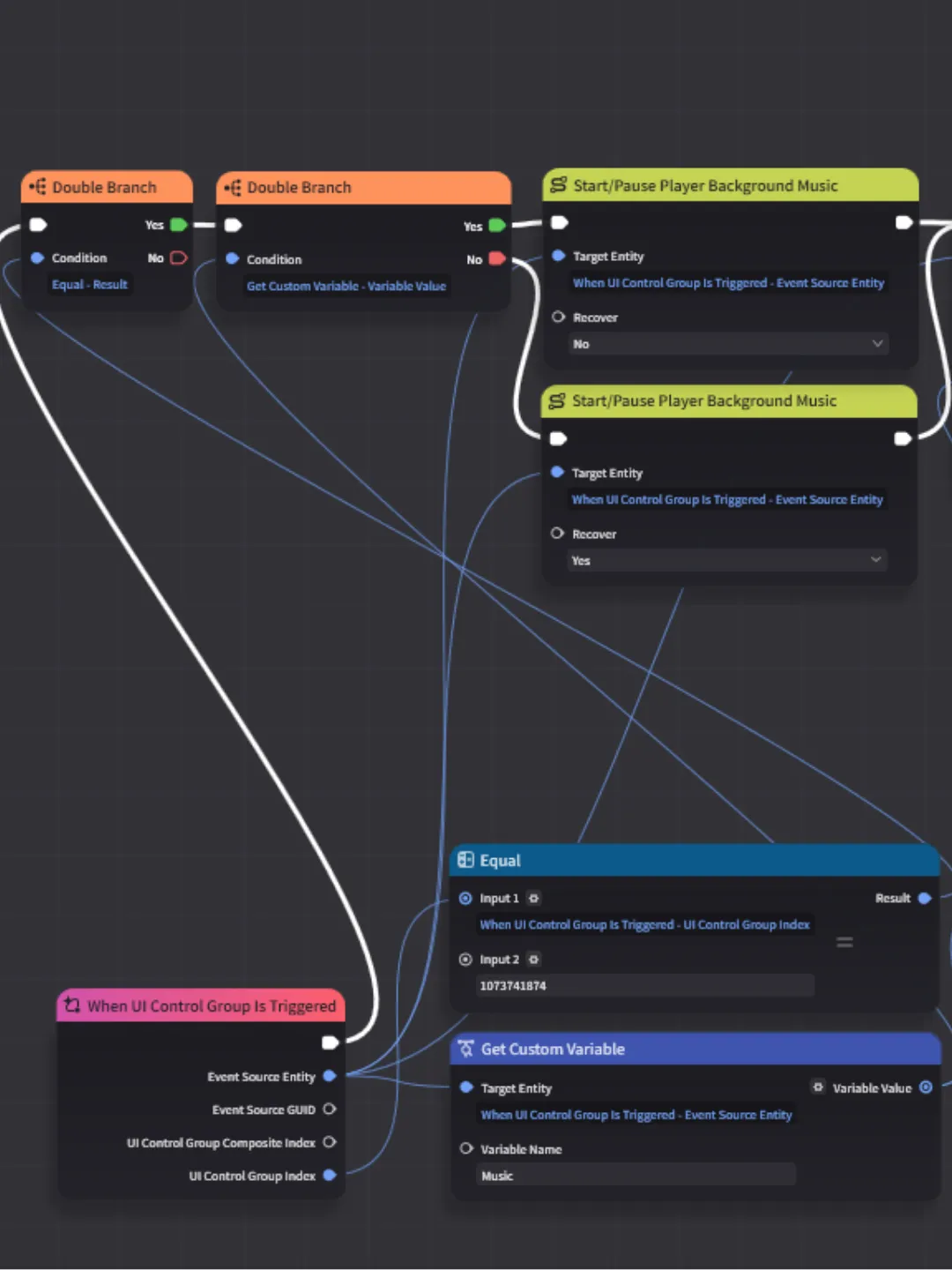
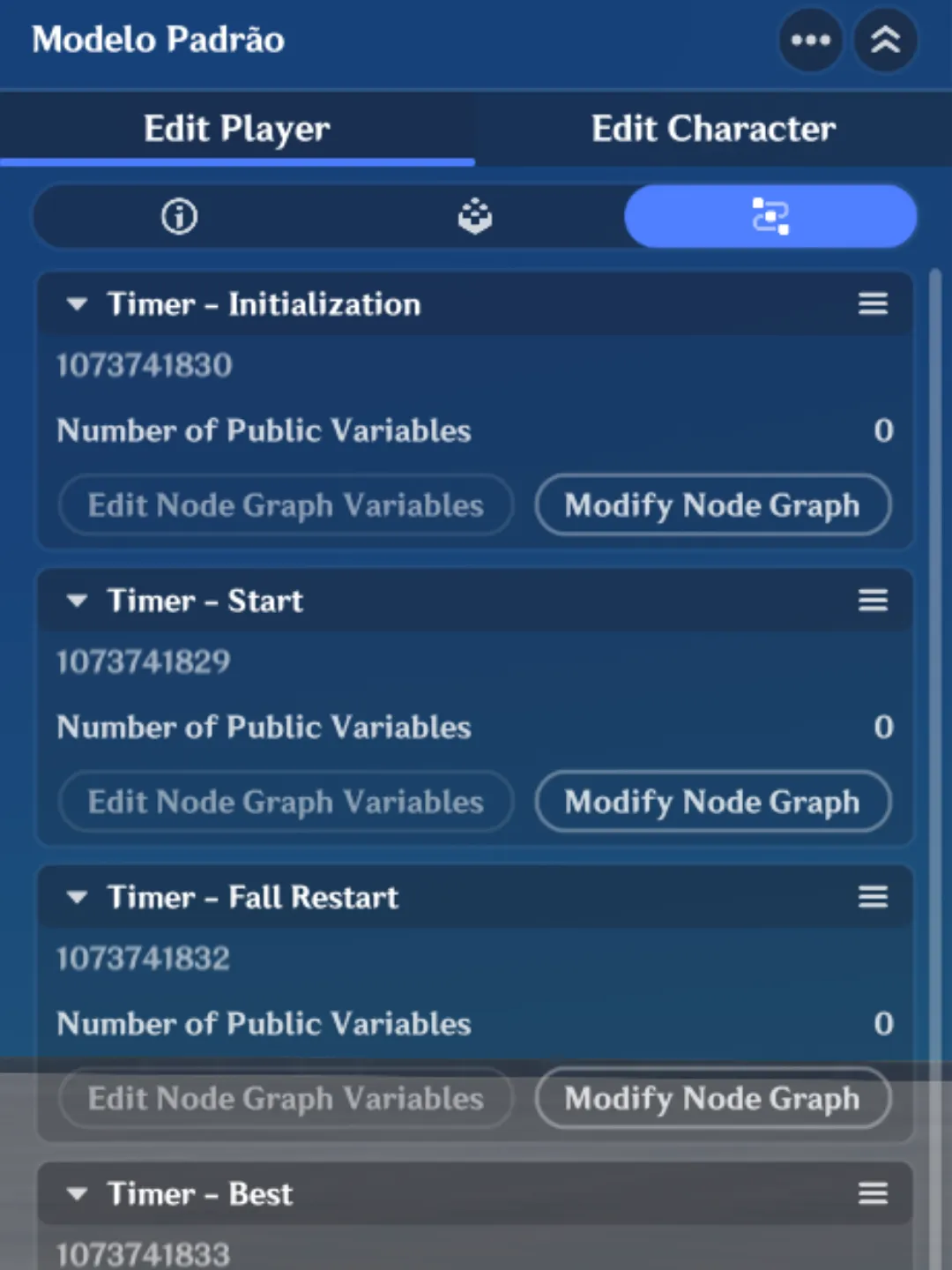
The map's logic was built in Miliastra Arcanum's Node Graph, connecting events, variables, and HUD elements to track each attempt and respond to the player's progress.
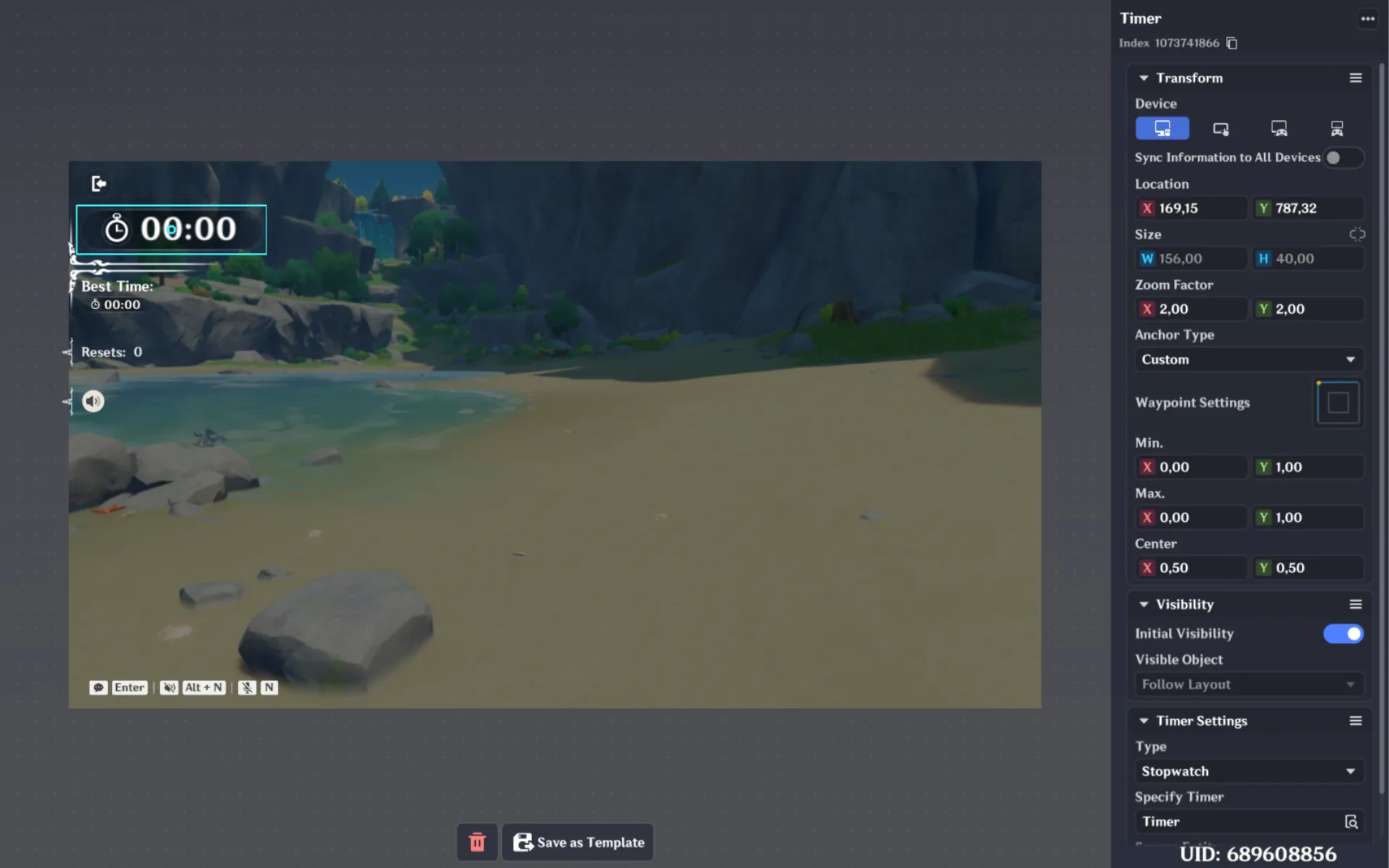
Tracks the attempt from the beginning of the climb, resets after a fall, and stops when the player reaches the top.
The completed time is compared with the stored best result. The value is only replaced when a new attempt finishes with a faster time.
Each fall updates a counter displayed in the HUD, making it possible to track how many attempts ended before reaching the top.
The player can pause or resume the music during the experience, while reaching the end switches to a different track. Restarting the attempt restores the original track.
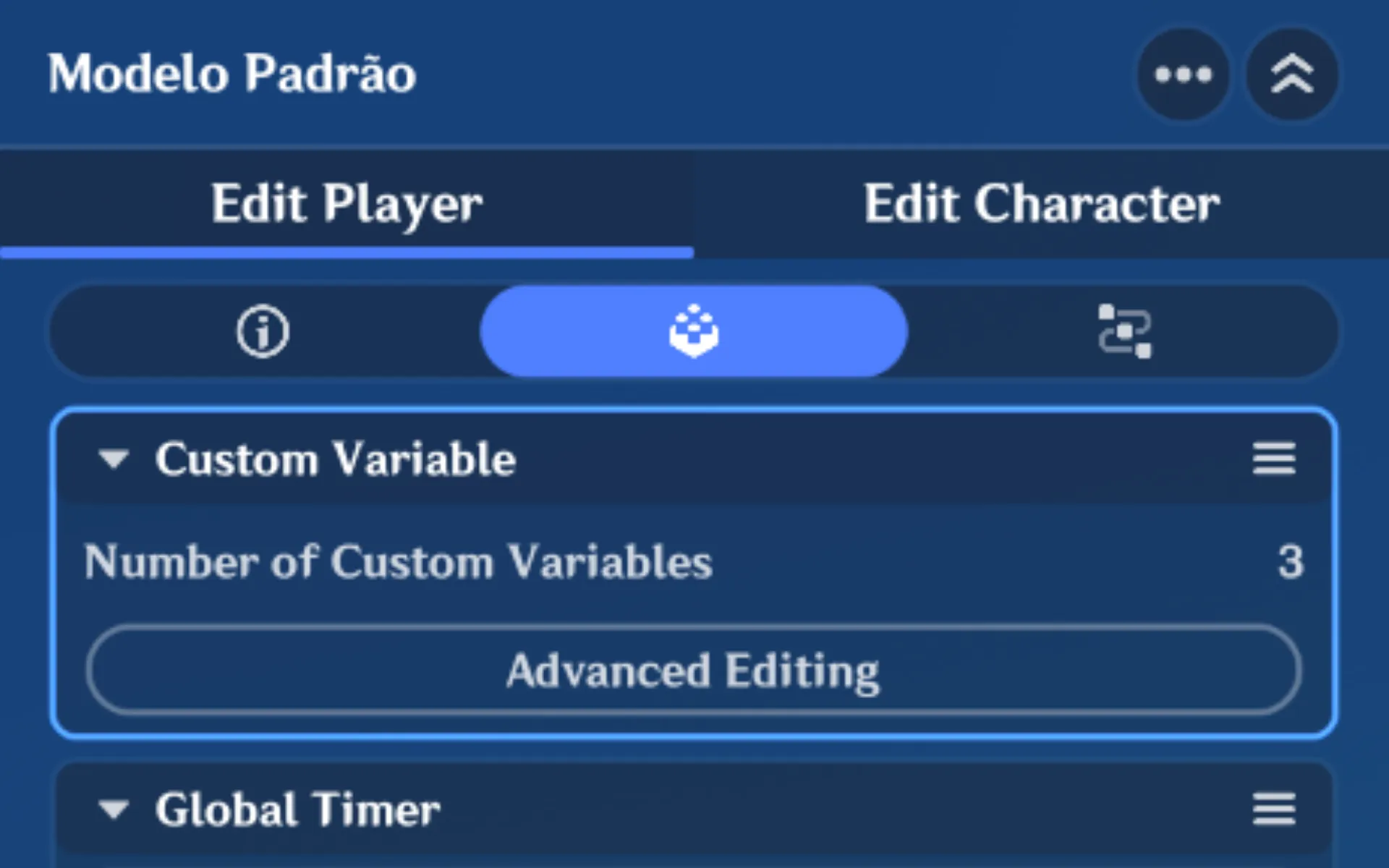
Different variable types, including booleans, integers, and strings, are used to control states, counters, and information displayed during the experience.
FROM PLAYTESTING TO PUBLISHING
Testing was used to refine the course and verify systems such as the timer, attempt reset, HUD, and behavior after falls. After the adjustments, the experience was published in Miliastra Arcanum.
LEARNING THROUGH TESTING
I started exploring Miliastra Arcanum only a few months after the platform launched, when there were still few references and examples available. Much of the learning came through direct experimentation, testing different combinations in the Node Graph, adjusting variables, and rebuilding logic until I reached the expected behavior.
The lack of ready-made references required testing hypotheses, identifying where the logic failed, and adjusting the structure until a working solution was found.
Connecting events, conditions, and variables made it possible to turn the map's rules into behaviors that respond to the state of each attempt.
The timer, best time, and fall counter needed to remain synchronized with the current state of the experience.
In a map based on vertical progression, difficulty, distance, and course construction directly affect the rhythm of the experience.
- MILIASTRA ARCANUM
- NODE GRAPH
- LEVEL DESIGN
- GAMEPLAY LOGIC
- HUD
- PLAYTESTING
- CANVA

OPEN TO NEWOPPORTUNITIES
If you'd like to discuss a role or project, feel free to get in touch.